- The Paris Love Letter
- Posts
- 🇫🇷 💌 The Paris Love Letter #152
🇫🇷 💌 The Paris Love Letter #152
The Local’s View of The Tower + Serge Ramelli Paris Photography Workshop + “N'importe quoi" + Paris Canaille - Léo Ferré, performed by Catherine Sauvage

James Christopher Knight
April 03, 2026
In This Issue of The Paris Love Letter
This Week in Paris: The Local’s View of The Tower at Le Table de Belleville
Linking You To Paris: Links to Helpful & Fun Articles About Paris
Photographing Paris: Serge Ramelli Paris Photography Workshop!
French Phrase of the Week: “N'importe quoi"
Featured French Song: Paris Canaille - Léo Ferré, performed by Catherine Sauvage (1979)

THIS WEEK IN PARIS
The Local’s View of The Tower at Le Table de Bellville
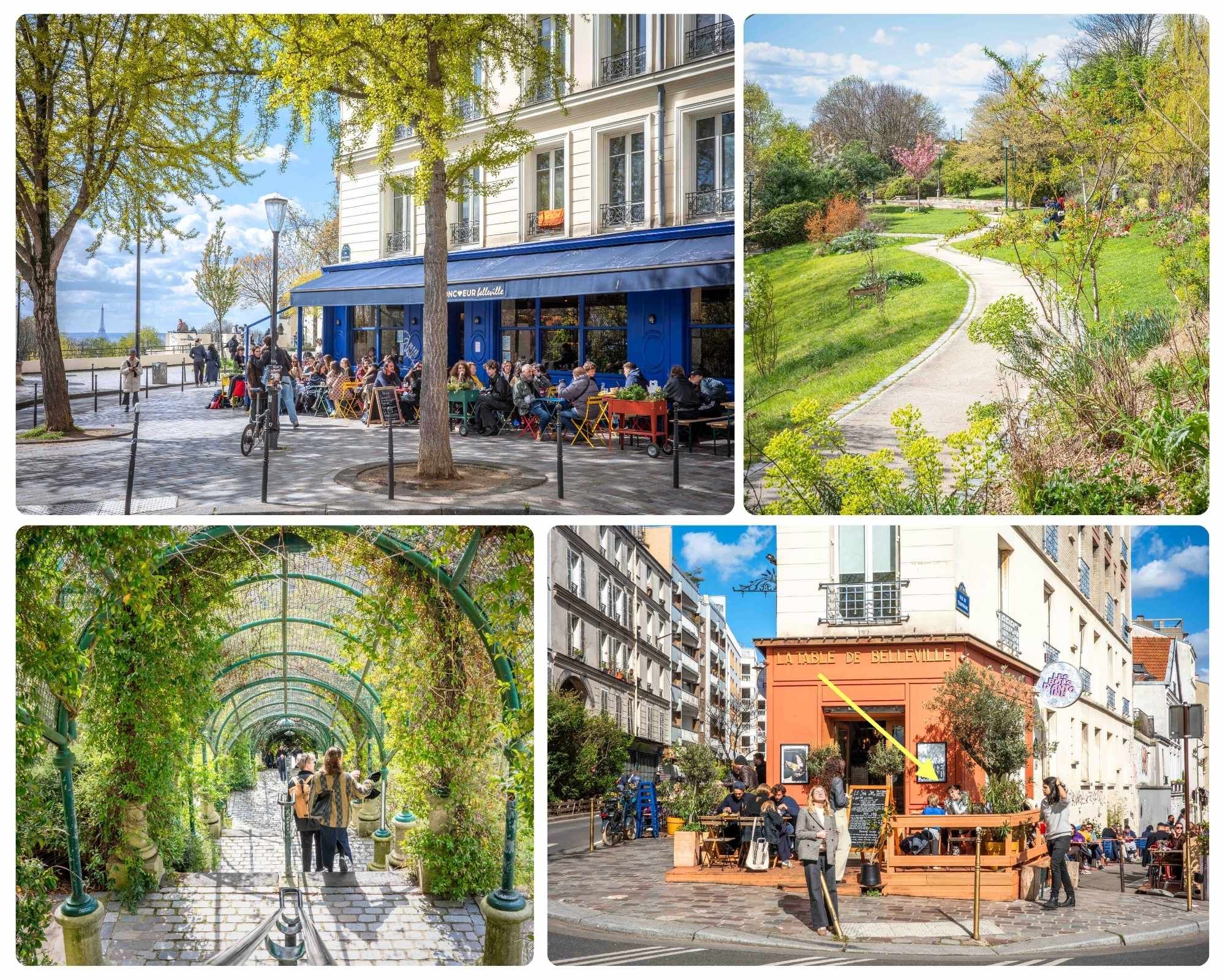
TL: The view from where we ate. TR: Bellville Park. BL: Covered stairs in Bellville Park. BR: Le Table de Bellville, where we ate on the terrace.
If you want a view of the Eiffel Tower from a restaurant without paying Eiffel Tower prices, head to Belleville.
Laura and I stumbled into Le Table de Belleville on the square near Parc de Belleville, which is one of those parks most visitors never find. The park sits high on a hill in the 20th arrondissement, and from the top, you get one of the widest, most unobstructed views of the city. The Eiffel Tower is right there in the panorama, no admission ticket required.
The square at the top of the park has several restaurants, and we settled into Le Table de Belleville for coffee and dessert. The food was good, the prices were surprisingly gentle, and the whole scene felt like the Paris you came here hoping to find. Just a local Paris neighborhood doing its thing on a Sunday afternoon.
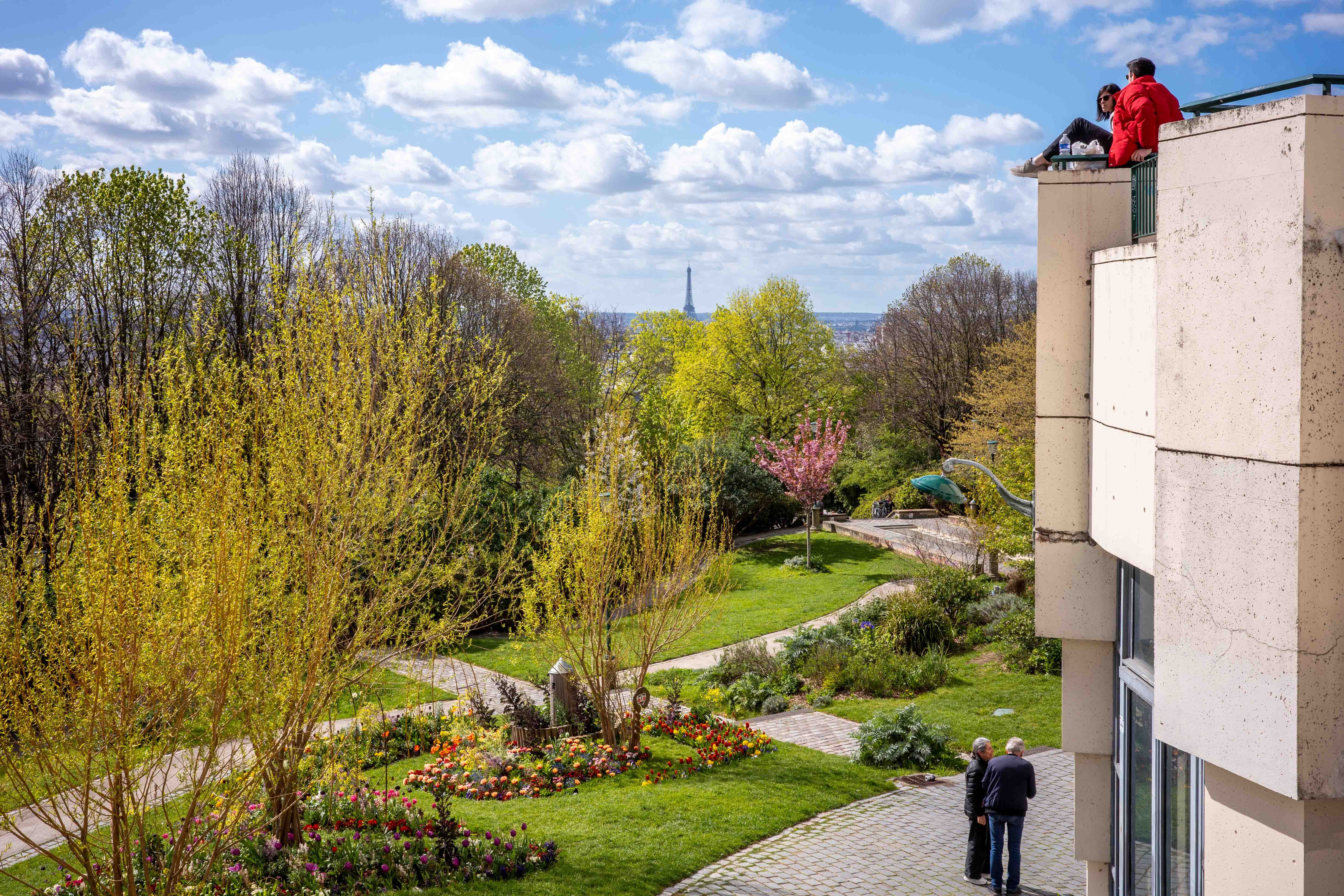
View of the Eiffel Tower from the top of Bellville Park
Belleville is one of the most culturally diverse neighborhoods in Paris, full of street art, Chinese and North African food, and the kind of energy that the polished central arrondissements don't have. If you're looking for real local Paris with a killer view, this is it.
Linking You to Paris
➡️ First time in Paris? Steal our perfectly planned weekend guide: From Cosmopolitan - A handy hit-list for the French capital, including where to eat, drink, shop, and party.
➡️ Guide to the Best Tea Rooms in Paris: From Mad About Macarons - Includes details of their speciality pastries from hotels and historical restaurants to cozy teatimes for all budgets.
➡️ A guide to Amélie’s Montmartre: From CN Traveler - As cinemas re-release the movie, we journey through the streets of Paris in search of Amélie’s haunts.
➡️ Guide to the Best Restaurants in Montmartre: From Paris Eater - A local's guide to where to actually eat in Montmartre, from a nose-to-tail bistro on rue Lepic to a Turkish meze spot the tourists haven't found yet.
PHOTOGRAPHING PARIS
Serge Ramelli Paris Photography Workshop!
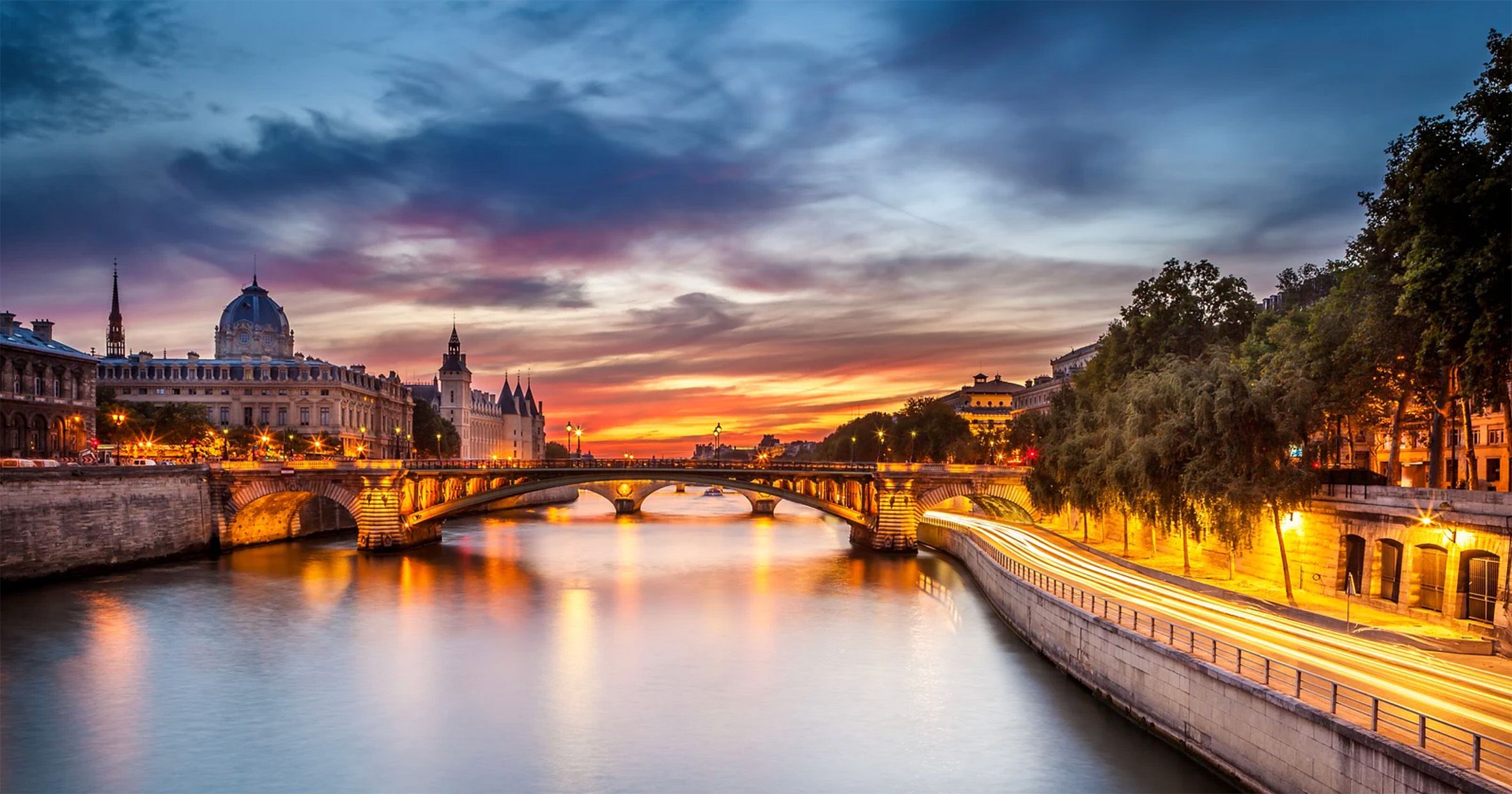
Serge Ramelli sells out his photography workshops fast. His last Paris workshop sold out instantly.
He has only two spots left for his Paris workshop this July (6–11), and I thought I’d share it with our photographer friends of The Paris Love Letter.
If you're a photographer and Paris is on your list this summer, this is worth a look. Six days of shooting the city with one of the most recognized names in Paris photography.
Each ticket includes the 6-day workshop, boarding in a four-star hotel, and fine dining each night in the City of Light!
If you want to know if it's the right fit, you can schedule a short call with a member of his team.
VISITNG PARIS
The River Between Two Bookshelves
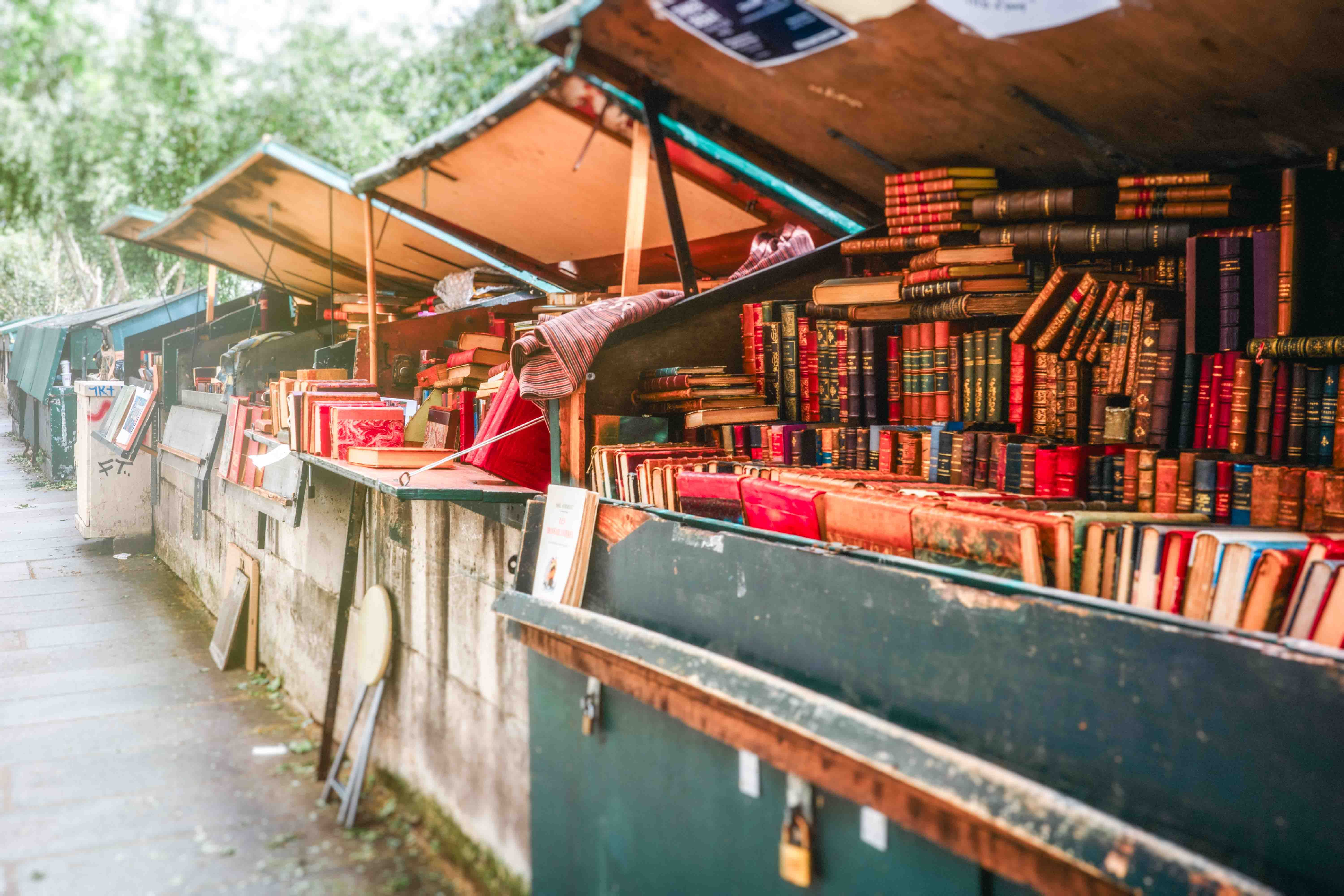
When I first moved to Paris, I had a plan. I was going to sell my photography from one of those green boxes along the Seine. I'd walked past the bouquinistes dozens of times, seen the old prints and posters fanning out over the stone walls, and thought: I could do that.
So I applied. And I learned something.
You can't just set up a gallery along the Seine. The bouquinistes are booksellers. The city allows them to sell some tourist merchandise now (one out of four boxes can stock souvenirs and prints), but only because the economics of used books have gotten brutal. The primary obligation is still books. You need to demonstrate literary knowledge. You need a real relationship with the trade.
I realized I didn't want to get into the used book business. But the experience taught me something about Paris. This city protects things. Not always gracefully. But when something has earned its place here, Paris holds on to it with a stubbornness that borders on the sacred.
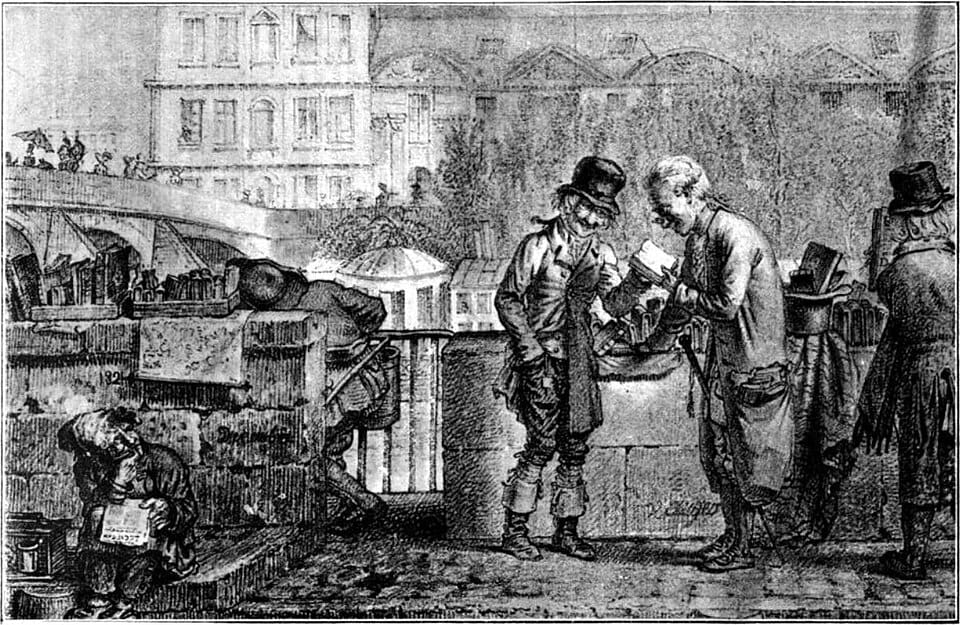
Jean Henry Marlet after Adrien Victor Auger in 1821
The bouquinistes have been selling books along the Seine for over 400 years. Back in the 1500s, before anyone called them bouquinistes, they were colporteurs and libraires forains. They carried books in baskets slung around their necks or hauled them in wheelbarrows along the bridges, selling from trays lashed to the parapets with leather straps.
And they were considered dangerous. Not because they were violent. Because they were hard to censor. During the Wars of Religion, these roaming sellers were accused of peddling forbidden Protestant pamphlets. A 1649 ordinance banned book displays near the Pont-Neuf. In 1721, another threatened booksellers with prison. None of it stuck. The sellers would scatter when the authorities showed up, push their wheelbarrows to a new spot, and set up again.
By the Enlightenment, the pamphlets they distributed were helping shape the intellectual life of a continent. During the Revolution, they thrived, selling rare volumes looted from aristocratic libraries. Napoleon formalized the trade. In 1859, the city granted official concessions. In 1891, they finally won the right to leave their boxes on site overnight. That's when the green boxes, as we know them, were born.
And then people kept trying to get rid of them. Haussmann wanted them gone. Television nearly killed the trade. The internet made things worse. COVID devastated them. And in 2023, the police prefecture announced plans to dismantle 600 of the 900 boxes ahead of the Olympic opening ceremony on the Seine. President Macron reversed the decision, calling the bouquinistes part of the "living heritage of the capital."
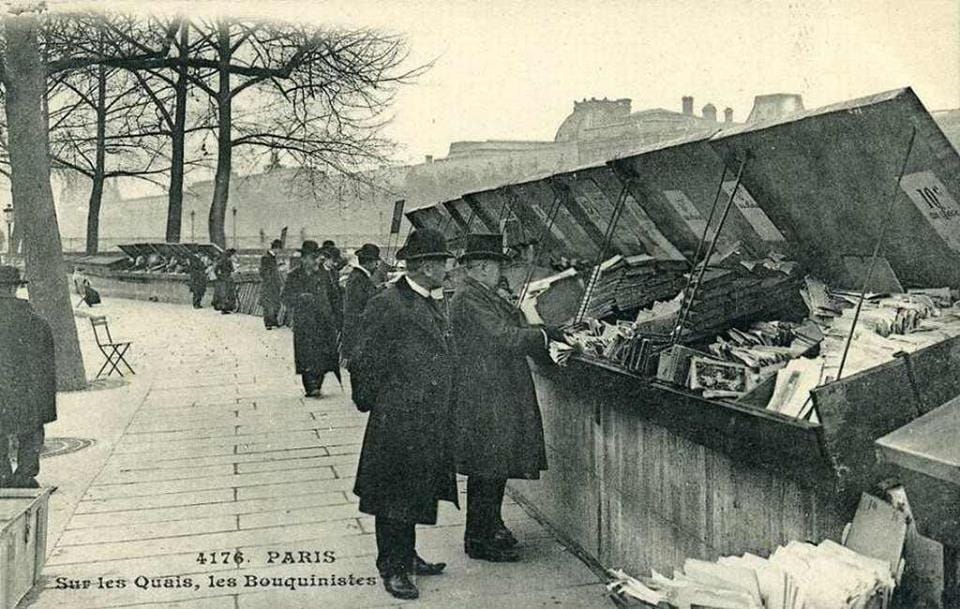
Today, around 240 bouquinistes manage roughly 900 boxes along three kilometers of the Seine, holding an estimated 300,000 books. The riverbanks were designated a UNESCO World Heritage site in 1991, and in 2019, France added the bouquiniste tradition to its list of intangible cultural heritage. Someone once described the Seine as "the only river in the world that runs between two bookshelves."
One thing worth knowing if you visit: many of the paintings and prints you'll see in the stalls (and in Montmartre) are not painted by local artists. They're mass-produced overseas, often in China. I'm not saying that to be harsh. But if you're hoping for an original piece, ask. The bouquinistes who specialize in genuine antique prints and engravings will be happy to show you. That's where the real treasures are.
Walk slowly. Say bonjour before you browse. And bring cash.
FRENCH PHRASE OF THE WEEK
“N'importe quoi"

The Phrase: "N'importe quoi"
Phonetic: [nim-port kwah]
Literally: "No matter what."
The Context: Forget the literal translation. In everyday French, "n'importe quoi" means "nonsense," "ridiculous," or "what a load of garbage." It's the phrase Parisians reach for when something is so absurd it doesn't deserve a full argument. Just a quick exhale and three words. It works as a response, a judgment, and a complete sentence all at once.
How to use it:
The Weather: It was 22 degrees and sunny yesterday; today it’s hailing and 4 degrees. N'importe quoi.
The Metro: Someone pushes past you to squeeze onto a packed Line 13, then acts offended when you don't move. N'importe quoi.
The Tourist Trap: A waiter on Rue de Rivoli tries to seat you with a laminated English menu and a €28 croque monsieur. N'importe quoi.
How I Found This Phrase: I kept hearing people mutter it, almost to themselves, like a reflex. At the grocery store. On the phone. Watching the news. Once you start listening for it, you realize it's everywhere. It's not anger exactly. It's that very French ability to dismiss something as beneath serious discussion while still making sure everyone nearby knows exactly how you feel about it.
FRENCH SONG OF THE WEEK
Paris Canaille - Léo Ferré, performed by Catherine Sauvage (1979)
Léo Ferré was a poet, an anarchist, and one of the greatest songwriters France has ever produced. "Paris Canaille" was his first real hit, a love letter to the scrappy, disreputable side of Paris. The pickpockets, the vagabonds, the hustlers under the Bastille metro.
Every verse ends with the same refrain: mais c'est si bon. But it's so good. Ferré wrote the song in the early 1950s, but nobody wanted it. Yves Montand turned it down. It was Catherine Sauvage who finally recorded it and turned it into a national hit.
This version is Sauvage performing it in 1979, more than 25 years after she first recorded it. There's a confidence and weight here that the original doesn't have. She owns every word.
The Paris Love Letter is our way of sharing authentic Parisian experiences, hidden gems, and cultural insights while keeping the newsletter free for our readers. To help cover costs, we occasionally include affiliate links for products we genuinely use and recommend at no extra cost to you. We also create our own fine art photo prints, Paris walking tours, and guides to share the beauty and stories of Paris we love. We never take commissions from restaurants. All our recommendations are based on honest experience and genuine appreciation for this city.